
NBA Players Aren’t Just Athletes; They’re Celebrities
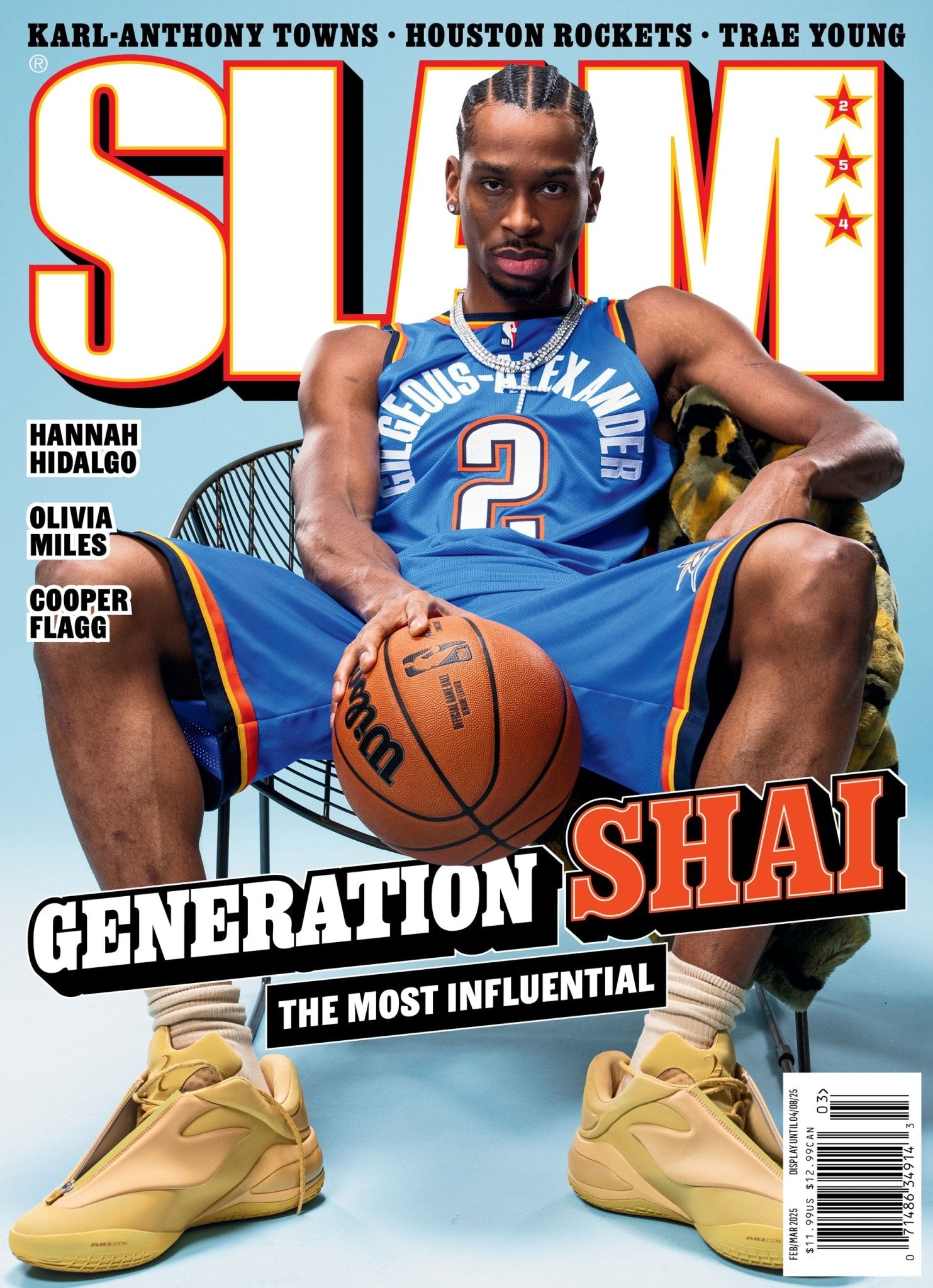
It’s a well known fact that the NBA is one of the best leagues in the world at marketing it’s individual athletes. These aren’t just basketball players: they’re icons. The team as a whole gets less attention than in leagues like the NFL or NHL, but the players are superstars. LeBron James, Stephen Curry, Anthony Edwards, Shai Gilgeous-Alexander, and more, these are some of the most popular people on the planet. Not just athletes; people.
But the NBA hasn’t always been this way, at least not to this extent. The rise of fashion, social media, player podcasts, and increased involvement in social issues has made NBA players role models to millions of people across the world. But when you give someone that much fame at such a young age, is it really healthy? Let’s explore how the role of NBA players in society has changed, where we see the most impact, and how we should manage this new phenomenon.
How Did We Get Here?
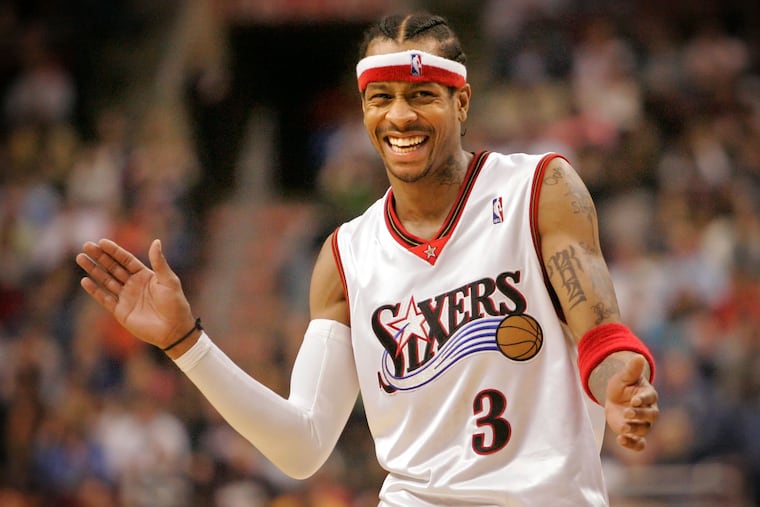
How did basketball players become so influential not just on the court but in society? The easiest answer is that basketball as a sport lends itself to this development. Players’ faces aren’t covered by helmets, so they’re easier to recognize on the court, and they’re allowed to wear accessories and custom shoes, allowing them to express themselves. Plus, the dress code has deteriorated over the years, going from “business casual” in 2005 to extremely relaxed in years following the NBA bubble, allowing players to dress the way they feel expresses them.
Secondly, players are able to play unique styles of ball. Players like Allen Iverson, Steph Curry, and Kyrie Irving (along with a variety of others), play with such fun and signature styles that they are easy to distinguish. And since basketball is such an accessible game (all you need is a ball and a hoop), fans have been able to emulate these styles in their own neighborhood park or their driveway.
The players are so easily recognizable, in their styles both on and off the court, that people naturally start to become fans of certain players, and with how easy it is for players to market themselves, players have graduated from being just athletes, and have now reached the plane of celebrity.
Fashion
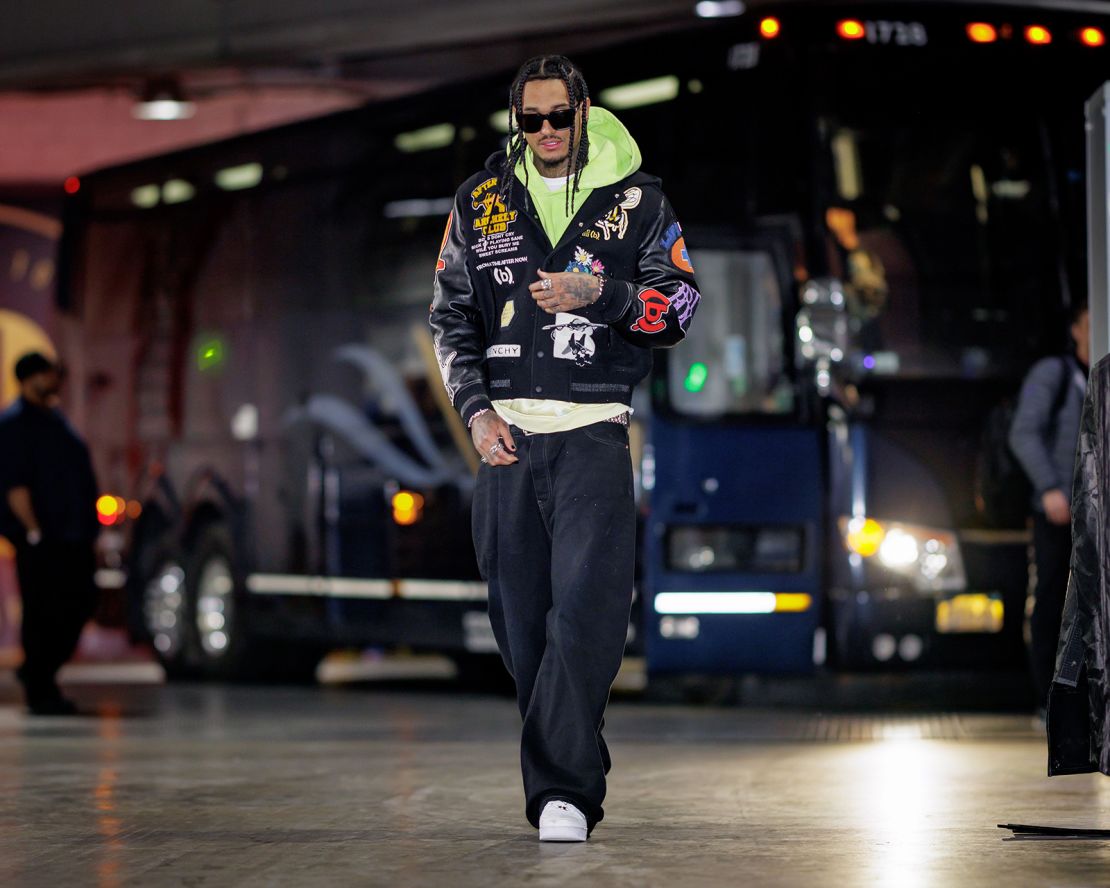
More and more, players have begun to express their style, showing off their outfits in the tunnel on the way to the game. During the game, they may all be wearing the same jersey, but beforehand they all look different. They get to wear their own clothes that they pick out, walking into the game, in interviews, and when they’re injured on the sidelines. Some are more expressive than others, but all of them get the freedom of choice. This has oftentimes led to a shift in fashion, as people will try to emulate aspects of these fashions and styles.
Plus, the shoe game has been significantly influenced by NBA players. Ever since the first Jordan was released in 1985, the world has felt the impact of basketball shoes. The classic Jordans have become more prominent as street shoes than basketball shoes, and are one of the leading names in fashion for much of the world. But Jordan started a trend. Nowadays, dozens of players have their own signature shoes, which can be found not just on NBA courts but also on basketball courts throughout the country. From LeBrons to KDs to Kyries to Kobes, it seems like every hooper has a favorite shoe and a favorite brand.
Social Media
In 1997, the platform SixDegrees.com was launched. The name is insignificant to most of us, but it is widely regarded as the first social media website, and since then it had become a part of our everyday lives. Between Instagram, TikTok, Facebook, Twitter (or X, whatever), you can now keep up with what all of your friends, family, coworkers, and yes, favorite athletes or celebrities are up to. From LeBron’s old Instagram posts about watching Tom and Jerry to Jared McCain’s TikToks to KD’s never ending Twitter beef, NBA players are front and center in the world of social media. Players can interact directly with fans, express thoughts on the happenings around the league, and even vent frustrations.
But it’s not just players that are interacting. It’s everybody. People are talking about the NBA, people are talking about the players, and when millions and millions of people are talking about one person, they become pretty prominent in everyday life. There are fan accounts made for teams and players, there are millions of posts about the players and whatever they do, and there’s even an account tracking whether Dwight Powell got hit in the face during that day’s game (it happens a surprising amount). The players are made front and center not just by themselves, but by the horde of people keeping up with them on socials.
Podcasting
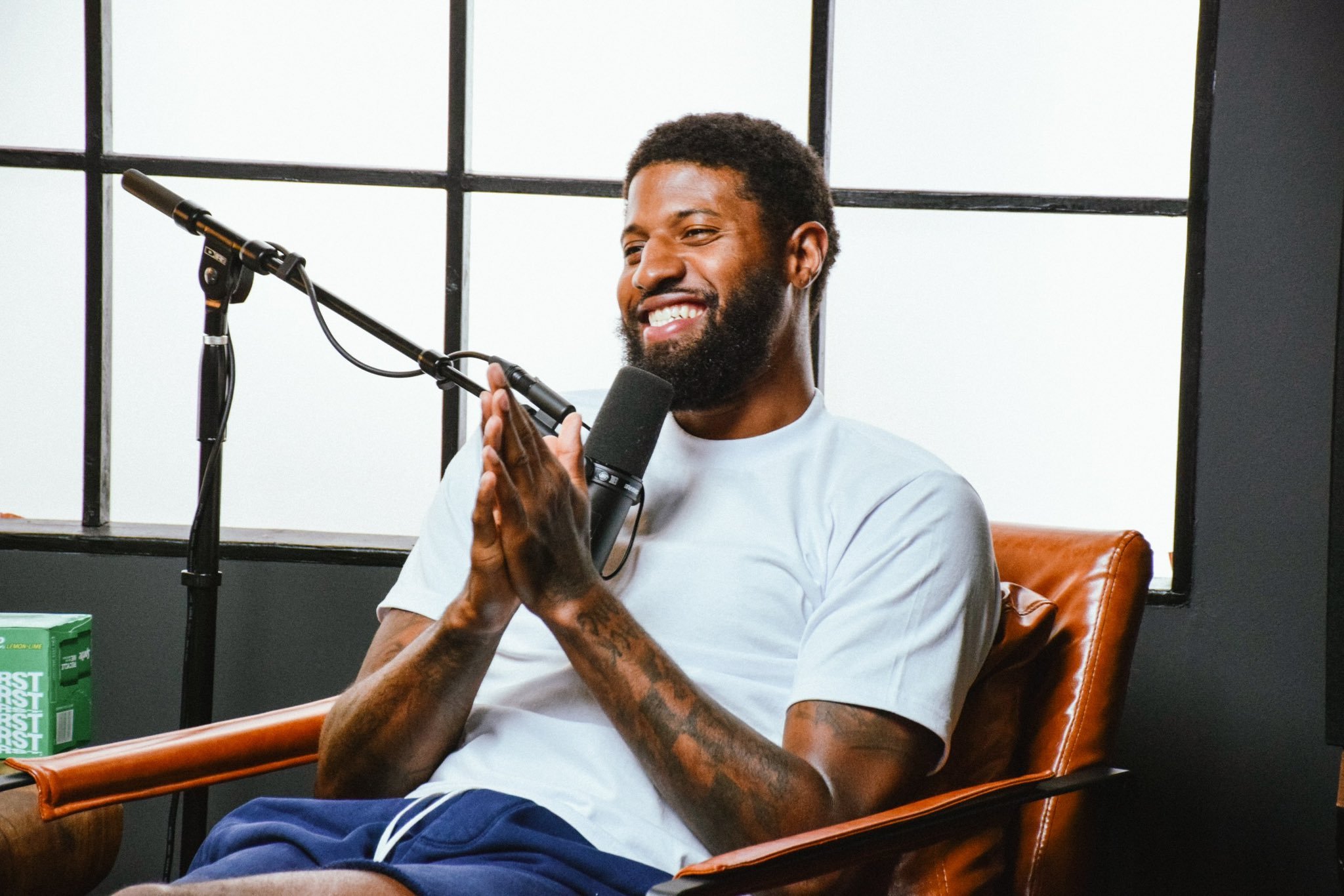
It’s no secret that podcasting has exploded over the past few years. Now, anyone can get their thoughts out to the world using just a computer and a microphone, and they can post it to a variety of platforms. And when someone already possesses a large following, like NBA players do, they can reach a huge number of people. And players can express their true thoughts on a podcast. We’ve seen them talk about coaches, trades, teammates, and rivals, all of which can be sensitive subjects.
Never before, in the history of the sport, has there been as much opportunity for player expression. By being able to talk about these subjects, they present us with an entirely different view of the NBA world and the relationships players have with teammates, coaches, owners, and rivals. Not only do we watch these players as fans of the game or of our team, but now we can be a fan of them as a person. Fans can feel more attached to the player, and they actually know their stories and opinions on things happening around the league.
Social Involvement

The most powerful aspect of having a platform is having the ability to campaign for change when the need arises. NBA player involvement in social issues became most prevalent during the NBA bubble, while the Black Lives Matter movement was especially prevalent in society, and more and more people were calling for justice and equality. In a league such as the NBA, where approximately 70 percent of the players are black men, these calls for justice can be extremely important to players on a personal level.
So, in order to express their beliefs on the matter, NBA players knelt during the national anthem, wore slogans on the back of their jerseys promoting equality and justice, and spoke out, using their platforms to encourage the world to hate a little less, a cause that was bigger than basketball.
They faced a lot of backlash, with critics telling them to “shut up and dribble,” but the players held strong, and although social issues are still extremely prevalent today, and most likely will be for a long time, the bravery and influence of the NBA players who chose to speak out is inspiring and powerful. And still today, they continue, letting their beliefs about politics and issues be heard by the public.
The Pros
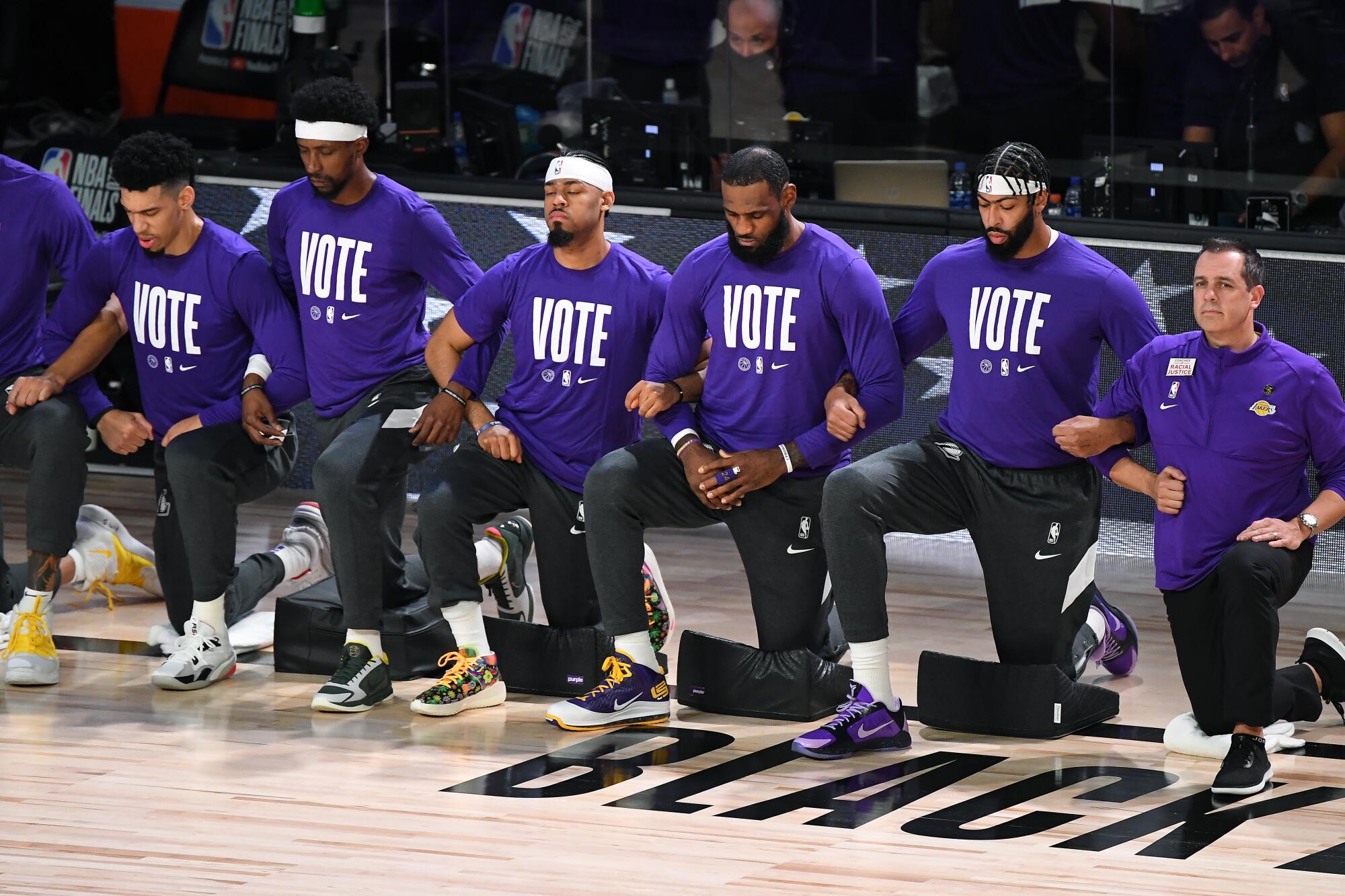
The new evolution of NBA players into celebrities and social figures has a few obvious benefits. Firstly, the increased social movement and the advocacy for human rights is an obvious plus. Just because these men are famous athletes and make a lot of money doesn’t mean they are immune from the issues prominent today, and they should have the ability and freedom to express their disillusionment with the problems of society.
On a less socially impactful level, there are also the pros for the common fan. Nowadays, we get to see our favorite players as more than just a player, watch how they conduct themselves in their own setting, when they’re on their own podcast or social media account instead of being interviewed by the media. We get to see the players as people, and although we don’t know them personally, and shouldn’t pretend to, we are significantly more connected than past generations ever were.
The Cons
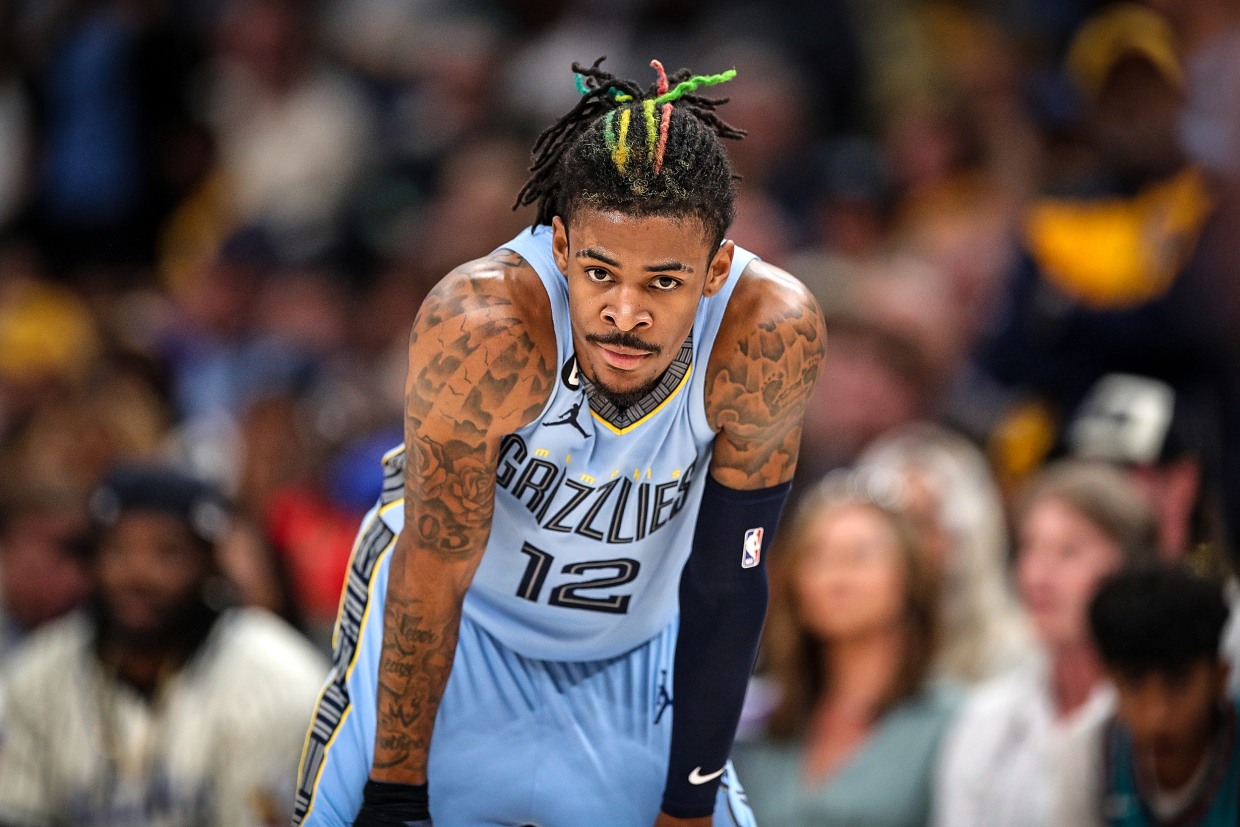
There is another unfortunate reality we have to face. The human male brain is not fully developed and matured until the mid 20s, and almost every NBA player is drafted long before then. They are put into the spotlight earlier and earlier, and their mistakes carry much more weight than the average person’s. They have a huge mass following, many of whom are easily influenced children, so it can be an issue when players do something that shouldn’t be emulated. When someone is a role model and they do things that could be seen as immature and irresponsible, such as waving a gun on Instagram Live, which is what Ja Morant did, it can cast a negative light on the player and the NBA as a whole.
Most players avoid such antics, and the ones who do get themselves into trouble often take strides to apologize and make up for their actions, but it is still an issue that the NBA has to monitor.
Overall, however, I would consider player involvement in the media and with fans extremely positive. We can now look at our idols not just as athletes but as people. They have transcended past the level of just someone who plays sports, and they have now become cultural icons and celebrities.
 Title Runners