

Underrated Hoopers: Mark Aguirre

A Mavericks legend and one of the best players of the 80s, Mark Aguirre was a beast in Dallas and a winner in Detroit, but he doesn’t get his flowers from the average fan. What could cause such a prevalent threat to fly under the radar? Lets look back at the career of the former first overall pick and appreciate his greatness.
Career Path
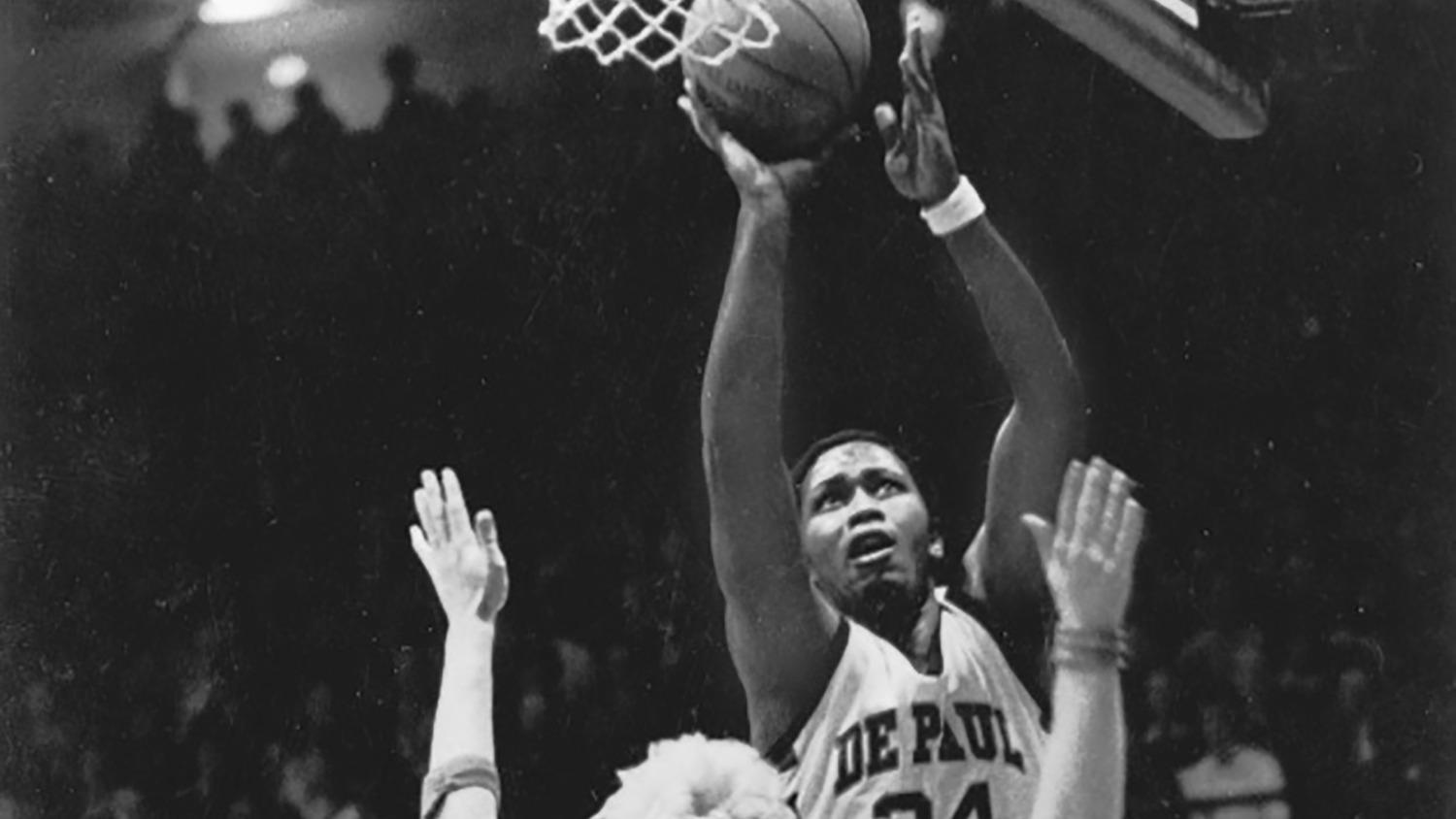
Before there was Cooper Flagg, there was Mark Aguirre. The only ever first overall pick made by the Mavericks until 2025, Aguirre had played three years at DePaul, where he had been a two time All American and the 1980 Player of the Year. He had led all male college players in scoring that year, averaging 26.8 points to go along with 7.6 rebounds and 1.7 steals per game.
The Mavericks liked what they saw, and with the first overall pick in the 1981 NBA draft, they selected Aguirre. After battling through some injury in his rookie year, he would get it going quickly, and by his third season in the league he was an All Star, leading the league in both field goals made and attempted that season, while averaging 29.5. Dallas made the playoffs that season, but Aguirre’s numbers dipped a bit in his first playoff appearances.
Aguirre would play four more full seasons with Dallas, resulting in two more All Star appearances and averaging over 22 every season, and over 25 every season but one. He was also remarkably healthy in this stretch, playing at least 74 games in all four seasons. They made the playoffs every one of these seasons as well, although the furthest they got was the second round in 1986, where they lost to the Showtime Lakers in six games, despite Aguirre averaging 27, 7, and 6 in the series.
Unfortunately for both Aguirre and Dallas, that relationship had begun to deteriorate over the years. Aguirre was seen by many in the Mavericks organization as a pain and a locker room cancer, so they decided to move him to Detroit. In exchange for Aguirre, the Mavericks received star wing Adrian Dantley and a future first round pick.
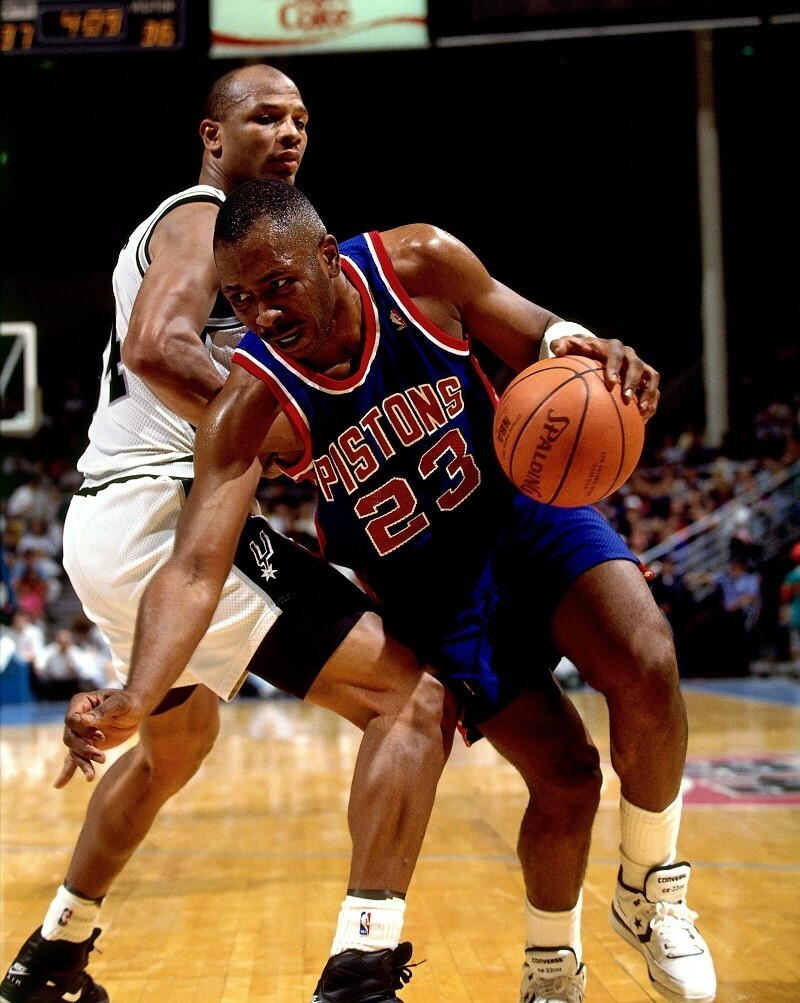
Detroit was in their hey-day at the time, with the Bad Boy Pistons becoming known as one of the titans of the East, led by stars such as Joe Dumars, Bill Laimbeer, and one of Aguirre’s longtime friends, Isiah Thomas. By adding an offensive punch in Aguirre, the Pistons finally received the missing puzzle piece. In Aguirre’s first two seasons with the Pistons, they won the championship, going back to back. Aguirre’s numbers took a dip due to his increasing age and changing role with the new team, but he started all the games in the ’89 run, and still provided value off the bench in ’90.
After those runs, however, Aguirre’s game did begin to slow down. He no longer provided as much scoring value as he used to, and after the 1993 season, he left Detroit and went on to the Los Angeles Clippers, where he would play one year before calling it quits after a 13 year career.
Peak
As always, we’ll break the peak up into two different sections: the individual peak and the winning peak. Both of these are pretty cut and dry for Aguirre, without much debate as to when and where he did his best work.
As an individual, Aguirre’s best years were in Dallas. He went to all three of his All Star games there, helped improve their team significantly, and was the number one option for the whole tenure. During his time as a Maverick, Aguirre averaged 24.6 points per game, 5.7 rebounds per game, and 3.8 assists. His defensive stats were never great, and he left a lot to be desired on that end of the ball, but there is no denying that Aguirre’s offensive peak is one not matched by many players.
When were his winningest years, however? Fairly obviously in Detroit. After being traded there, he immediately made an impact, and was one of the deciding factors in them finally getting over the hump, winning a championship. And not just did they win in his first season there, but they would win again in 1990. They were great in the regular seasons as well, as between those two years the Pistons had a total record of 122-42, and had a top three defense both years. Aguirre’s individual production may not have been quite as high, playing as more of a quality starter/vital bench piece as opposed to his years of stardom, but he was a big part of those championship teams nonetheless.
Playstyle
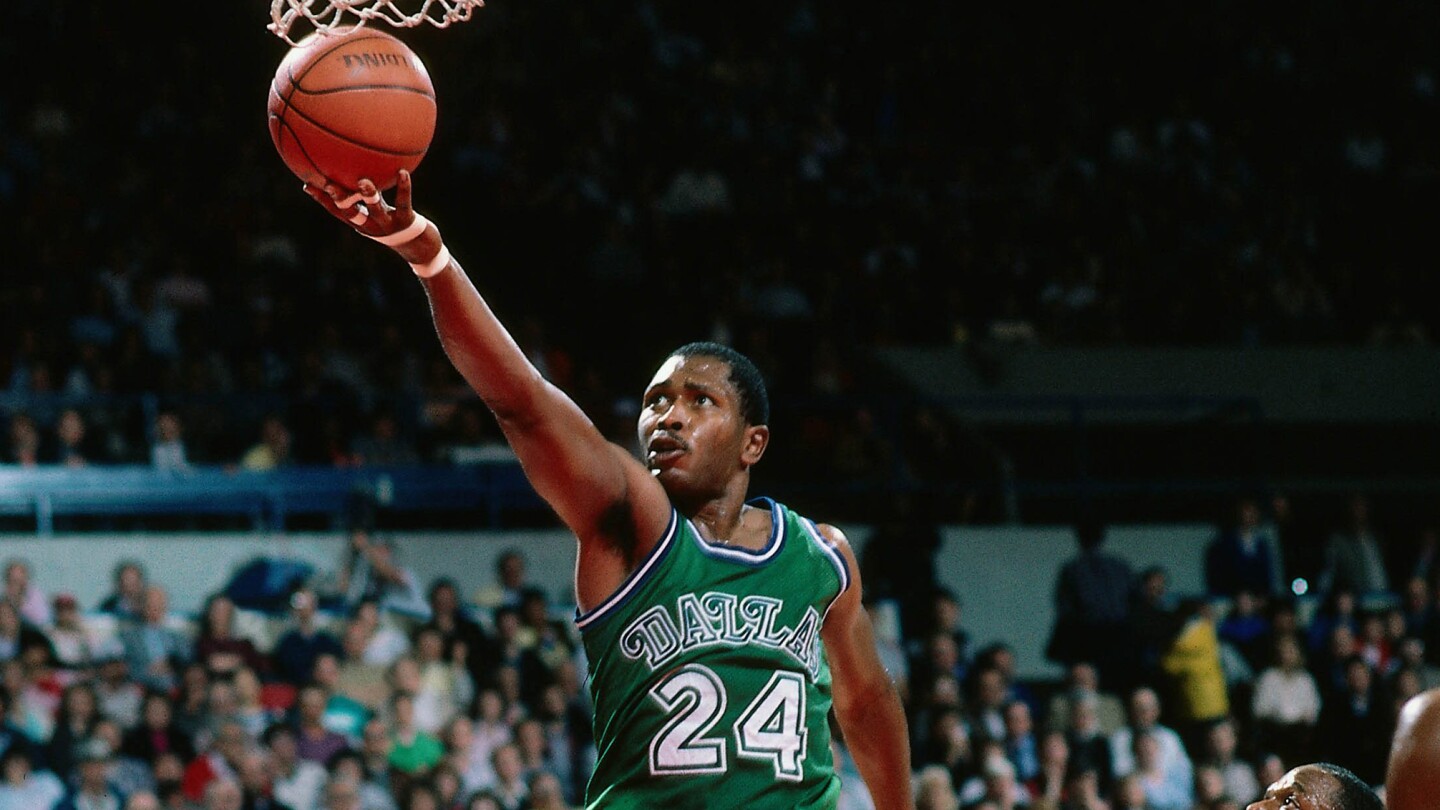
As a three time All Star who averaged 20 for years, its not hard to guess Aguirre’s archetype. He was a shoot first, ball dominant scorer, who would get his and when he got going was near impossible to stop.
Aguirre got his buckets in a variety of ways. He was one of the best post playing forwards in history, incredible at sealing off defenders and using a variety of spins and fakes to get to the cup, where he was strongest offensively. He had a large frame, which was a concern early in his career, but he used it well, allowing him to play much larger than his 6’6″ frame. His weight didn’t limit him much athletically either (at least scoring wise), as he was a solid athlete and got good lift on his jumper.
He could move out of the paint as well, with a solid mid range jumper and a great post fade. He could get to this in a variety of ways, using jap steps and knocking down contested jumpers pretty easily. His three point jumpshot wasn’t too shabby either, especially considering the era that he played in. If he was feeling it, he could knock down deep mid range shots and three point jumpers fairly well.
The issues in Aguirre’s game came from the other aspects. He was a solid rebounder, but being shorter limited his reach. He never put up great assist numbers despite having the ball in his hands a good bit, and his assist to turnover ratio isn’t pretty. Defensively, he was never great, even though he had a couple years with over one steal a game, and his lack of vertical ability made it difficult to defend the rim. His value came mainly from his ability to put the ball in the hoop, something he did well but not super efficiently either, as his true shooting numbers were never bad but never jumped off the page either.
When thinking about Mark Aguirre, Carmelo Anthony strikes me as the most glaring comparison. Both Aguirre and Anthony were score first wings who could play very well with their back to the basket, and they were able to get themselves open at the rim on those plays fairly consistently. The era difference makes it slightly more difficult to see Aguirre’s ceiling as a shooter, but his creation of mid range jumpers and ability to knock them down when contested definitely feels Melo-esque. Plus, both players struggled on the defensive and passing aspects of the game, causing them to be controversial with analysts.
So, Why Isn’t He Remembered?
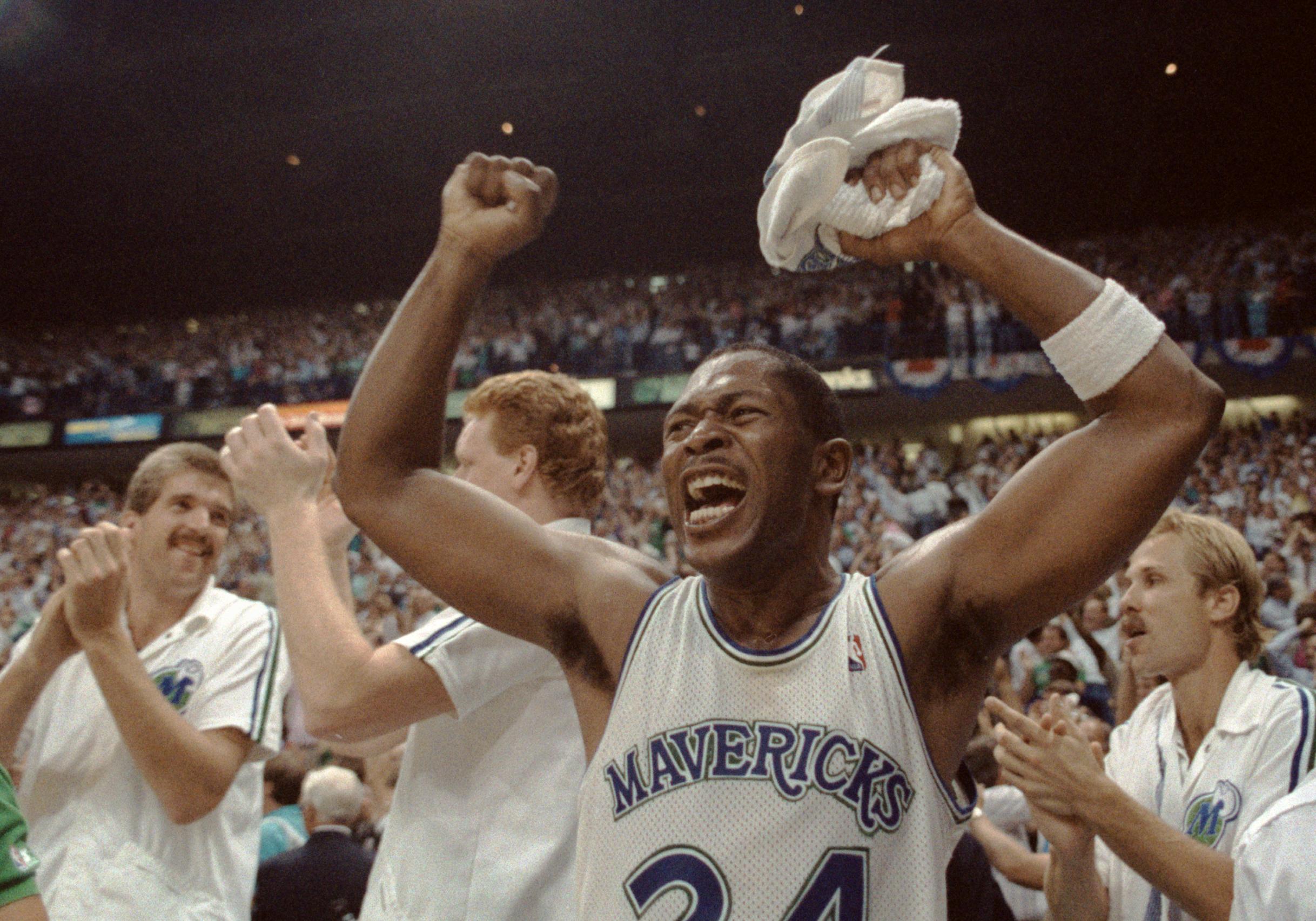
For a player to consistently average 20+ per game, make multiple All Star games, and win two championships, and then be forgotten about by the average current fan seems ridiculous. But it happened. Aguirre never seems to be talked about in discourse, despite the fact that he has an argument to be a top 5 Maverick of all time.
The first reason I could see as to why Aguirre has been forgotten about is his exit from Dallas. By nearly severing ties with the team he played the best with definitely hurt his all time case, and is likely a big reason that the Mavs never retired his number. Since then, he has made efforts to reconcile, but the damage was already done.
Secondly, even though he won two championships, he wasn’t the face of those teams. The Bad Boy Pistons were an incredibly deep and talented team, and Aguirre wasn’t in the spotlight as much as Thomas, Dumars, or Rodman. Unfortunately, his contributions to that team have been somewhat forgotten about, as others have taken more of the credit.
Still, despite these reasons, Mark Aguirre should be remembered. Some people push for him to be in the Hall of Fame, but I can see why that request would be denied. All I request is that when we mention the greatest Mavericks of all time, we bring up one of the better scorers to ever play for the franchise.
 Title Runners