

The Best Non-Lottery Pick Every Year – Part 1
Every year, sixty men are selected to play for the NBA. Fourteen of these men are lottery picks. The supposed best of the best, despite some not panning out. These players are held in high regard, and some teams purposefully tank just for the chance to select one of these lottery players.
But if there are sixty total picks, and only fourteen of them are lottery picks, what about everyone else? Surely some of them exceed expectations, and rise to a level that those first fourteen teams never predicted. These guys have a chip on their shoulder, and some of them do something about it. Today, we’ll go back to the years from 1985 to 2003, exploring the best non-lottery pick from every one of these years.
A Brief Lottery History
![Detlef Schrempf on the former Seattle SuperSonics: 'We gave [the team] away. We screwed up.' - Yahoo Sports](https://s.yimg.com/ny/api/res/1.2/haWfgSdqIzlPIW7kDIosLg--/YXBwaWQ9aGlnaGxhbmRlcjt3PTY0MDtoPTQ4MjtjZj13ZWJw/https://s.yimg.com/os/en/blogs/sptusnbaexperts/DS61312.jpg)
In 1985, the NBA made the decision to introduce the draft lottery. This revolutionary technique was certainly unique, and was made with the aim of discouraging tanking, no longer guaranteeing teams who lost the most games the first overall pick. The argument of how successful the lottery has been is still a debate, but that’s an argument for another day.
Originally, in 1985, only the top 7 picks were part of the lottery. This number would expand through the years as the number of teams grew, and today it sits at 14. Here’s a brief recap so we can determine who is and who isn’t a lottery pick:
- 1985-1989: top 7 picks were lottery
- 1990-1994: top 11 picks were lottery
- 1995-2003: top 13 picks were lottery
- 2004-present: top 14 picks were lottery
So as the years go on, I’ll be selecting who I think is the most talented and accomplished player selected outside of that lottery range. I will not be including undrafted players, just players picked with a draft pick after the lottery.
1985 to 1989

From 1985 to 1989, the lottery was the top 7 picks, meaning there were plenty of players excluded from the lottery, many of these players becoming stars, as you can see below.
1985 – Karl Malone
Ignoring what he did off the court, Malone’s presence on the court is undeniable. The fourteen time All-NBA player and two time MVP was taken with the 13th overall pick in 1985 by the Utah Jazz, were he would spend most of his career and retire as one of the franchise’s greats.
Honorable Mentions: Detlef Schrempf (8), Charles Oakley (9), Joe Dumars (18)
1986 – Dennis Rodman
Rodman was taken with the 27th overall pick, which at the time meant that he fell into the second round. He lacked a developed offensive game, but his hustle and physical tools allowed him to become one of the greatest rebounders and defenders of all time, leading to him being a 5 time NBA champ between his time with Detroit and Chicago.
Honorable Mentions: Ron Harper (8), Dell Curry (15), Mark Price (25)
1987 – Reggie Miller
One of the greatest shooters of all time, Reggie went 11th in the draft to Indiana, where he would spend all of his 18 year career, becoming a five time All Star and three time All NBA player, ending up as one of the greatest and most iconic Pacers players in NBA history.
Honorable Mentions: Horace Grant (10), Mark Jackson (18), Reggie Lewis (22)
1988 – Dan Majerle
This was one of the more difficult drafts to do, but Majerle deserves his respect. Drafted 14th to Phoenix, Majerle would be a three time All Star and two time All Defensive player, and he was consistently one of the best three point shooters of the time, leading the league in both three pointers made and attempted in 1993 and 1994.
Honorable Mentions: Rony Seikaly (9), Rod Strickland (19), Anthony Mason (53)
1989 – Tim Hardaway
This draft is a deep one, and I debated between Kemp and Hardaway for a while, but ended up giving it to Hardaway. With one of the meanest crossovers of all time, Hardaway was an offensive weapon, and ended up being a five time All Star and five time All-NBA player after being selected 14th by Golden State.
Honorable Mentions: Mookie Blaylock (12), Shawn Kemp (17), Vlade Divac (26)
1990 to 1994

The number of picks in the lottery changed significantly after 1989, growing to include all 11 of the top picks. The talent pool for these years was significantly lower, at least after the lottery.
1990 – Cedric Ceballos
Ceballos might not be a common household name, but he was a threat for some of his year. A ridiculous athlete and very efficient inside the arc, Ceballos averaged 20+ for a couple seasons, hitting his peak in Los Angeles, where he made his only All Star game. He would end up being somewhat of a journeyman, but he was extremely solid for years, very impressive for someone who fell all the way to the 41st overall pick.
Honorable Mentions: Jayson Williams (21), Bimbo Coles (40), Antonio Davis (45)
1991 – Dale Davis
Davis was a consistent double double threat for much of his 16 year career, as well as putting up a block per game for much of his time as well. The 6’11” center was taken 13th overall by Indiana, where he would spend much of his time, making one All Star game, before leaving for Portland and later bouncing around the league a bit more in his older years.
Honorable Mentions: Greg Anthony (12), Chris Gatling (16), Rick Fox (24)
1992 – Latrell Sprewell
Despite having a wildcard personality, Sprewell was a beast on the court, finishing his career as a four time All Star, one time All-NBA player, and one time All Defensive player. He could score the ball for the entirety of his career, never once averaging under 12 points per game and averaging over 20 for much of his prime. He was taken 24th overall to the Warriors, where he spent six years before heading to New York.
Honorable Mentions: Anthony Peeler (15), Doug Christie (17), PJ Brown (29)
1993 – Sam Cassell
Cassell may not have a ton of individual accolades, but he was a winner, racking up three championships during his career, and he was a very solid point guard for teams aside from that, averaging around 19 per game during his peak. He was drafted 24th to Houston, where he would win his first two championships (his third came in Boston in ’08)
Honorable Mentions: Chris Mills (22), Nick Van Exel (37), Bryon Russell (45)
1994 – Jalen Rose
Rose is the only non-All Star mentioned so far, but that shouldn’t take away from him as a player. After being drafted 13th overall to Denver, Rose would go on to average 20 multiple times, in both Indiana and Chicago, and was a serviceable starter for much of his 13 year NBA career.
Honorable Mentions: Eric Piatowski (15), Aaron McKie (17), Wesley Person (23)
1995 to 1999
The lottery pool was once again changed, now encompassing the top 13 picks, but there were still some great players picked after the lottery, and I would consider these five years to be significantly stronger than 90-94.
1995 – Michael Finley
Finley was taken 21st overall by Phoenix, but would immediately make an impact, averaging 15 points per game in his rookie year. He would go on to have a very solid NBA career, making two All Star games in Dallas and winning a championship with San Antonio in 2007. He also led the league in minutes played per game for three years of his career, and consistently avoided injury.
Honorable Mentions: Eric Williams (14), Brent Barry (15), Theo Ratliff (18)1996 – Steve Nash
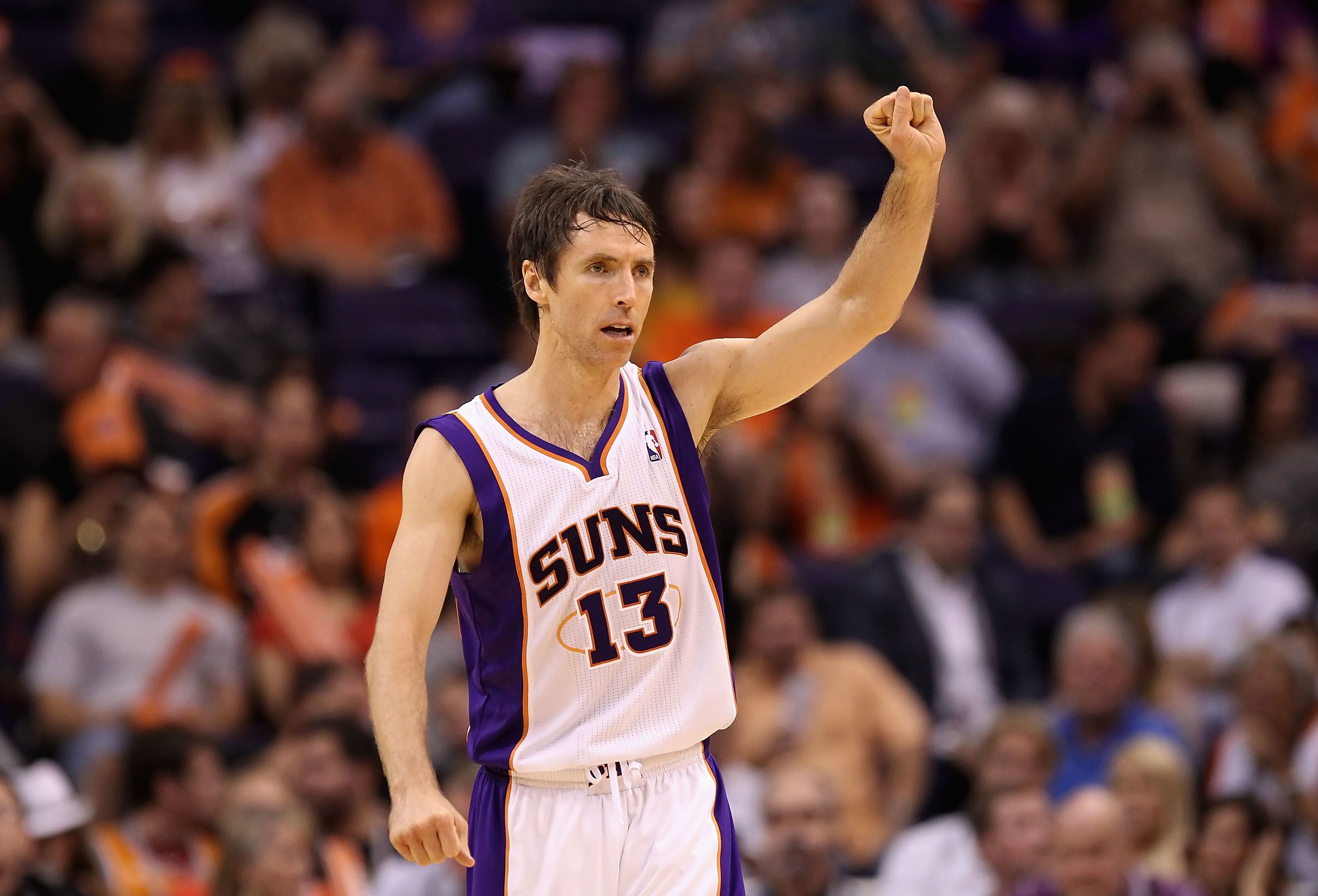
1996 – Steve Nash
Nash is far and away one of the best non-lottery picks of all time. A two time MVP and one of the greatest offensive players of all time, Nash is one of the greatest point guards in NBA history. Although it took some time for him to get started after being taken 15th overall, by the time Nash reached his peak, he was one of the best offensive ceiling raisers of all time and led the deadly 7 second offense.
Honorable Mentions: Peja Stojakovic (14), Jermaine O’Neal (17), Zydrunas Ilgauskas (20)
1997 – Stephen Jackson
Jackson was taken with the 43rd overall pick, but wouldn’t play for his first three seasons from 1998-2000 because he was playing in another pro league, the CBA. But by the time he came around to the league and caught fire, Jackson was an offensive threat. He played for a total of eight teams, doing his best work with Golden State and Indiana.
Honorable Mentions: Brevin Knight (16), Bobby Jackson (23), Alvin Williams (48)
1998 – Rashard Lewis
Rashard Lewis played just 20 games in his rookie year after being taken 32nd overall, but once he got his opportunity he made the best of it. He was a one time All Star in both Seattle and Orlando, and was one of the most intriguing bigs of the 2000s. 6’10” with a silky smooth three point jumper, Lewis led the league in both three pointers made and attempted in the ’09 season.
Honorable Mentions: Tyronn Lue (23), Al Harrington (25), Rafer Alston (39)
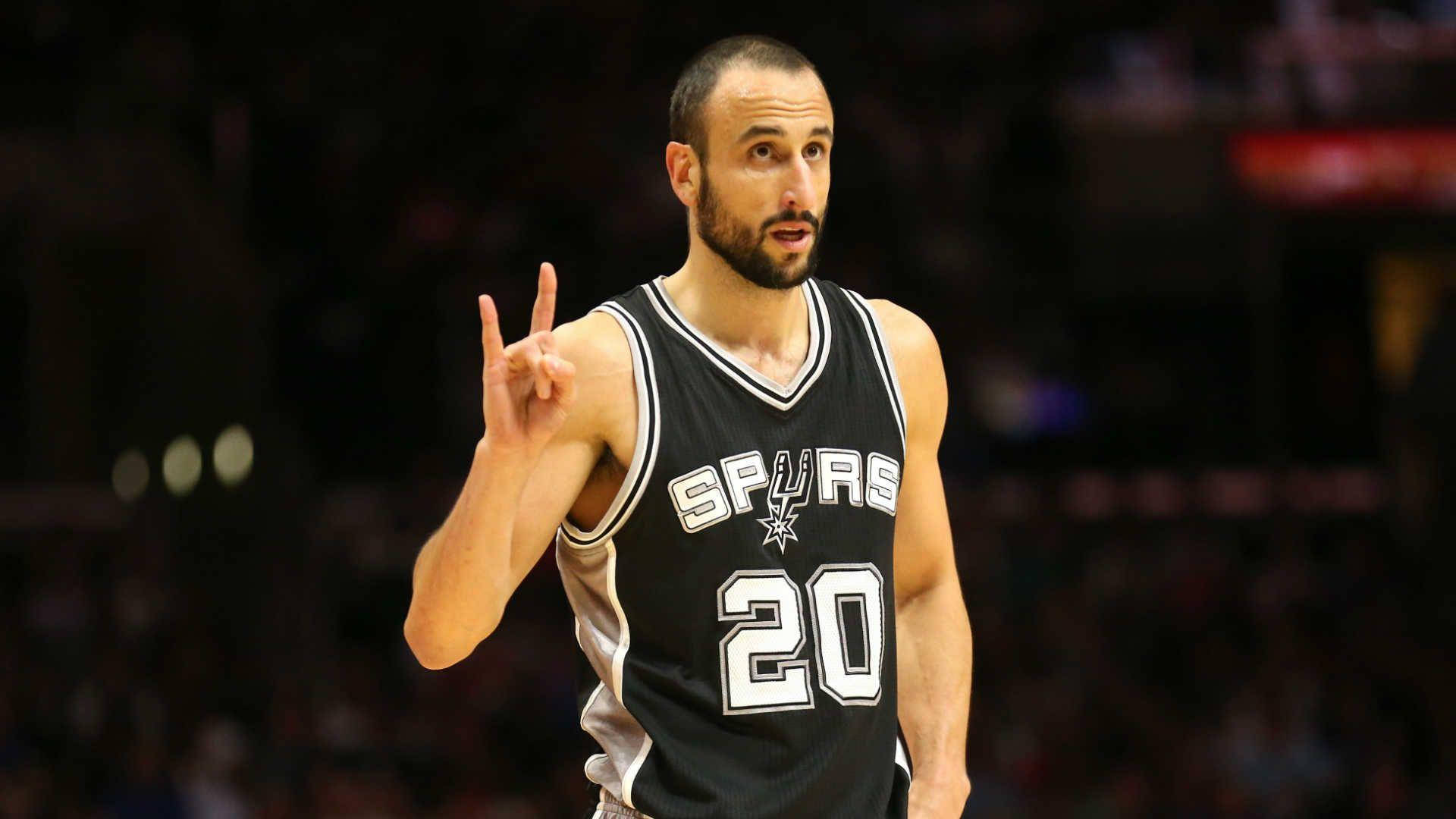
1999 – Manu Ginobili
Manu nearly fell all the way out of the draft, being drafted with the 57th overall pick, but he would be a huge part of the Spurs dynasty. He made two All Star teams and two All-NBA teams, and then was able to adapt to the sixth man role extremely well, winning a 6MOTY award as well. And of course, he won four championships as well.
Honorable Mentions: Metta World Peace (16), Kenny Thomas (22), Andrei Kirilenko (24)
2000 to 2003

This period was the last four years of the lottery being the top 13 picks, before they switched to the format we have today, with the top 14 picks being used.
2000 – Michael Redd
Michael Redd was a smooth bucket, and before his unfortunate injuries, he was a problem, averaging over 22 points per game for four straight years. He didn’t bring a whole lot else to the table, but he was a one time All Star and All-NBA player, and a very versatile scorer, far more prevalent than the talent you expect at the 43rd overall pick.
Honorable Mentions: Hedo Turkoglu (16), Quentin Richardson (18), Jamaal Magloire (19)
2001 – Tony Parker
In one of the deeper drafts in NBA history, Tony Parker stands out. The four time champ and 2007 Finals MVP was taken with the last pick of the first round, yet another foreign prospect that the Spurs found late in the draft. Parker was also individually successful, racking up six All Star teams and four All-NBA appearances during his Spurs tenure.
Honorable Mentions: Zach Randolph (19), Gerald Wallace (25), Gilbert Arenas (31)
2002 – Carlos Boozer
Booz Cruise was drafted 35th overall to Cleveland, but would play just two years there before going to Utah. There, he would blossom into his peak version, becoming a two time All Star. Throughout his career, Boozer never once averaged under 10 points per game, and also put up very solid rebounding numbers, averaging a double double during his prime years.
Honorable Mentions: Tayshaun Prince (23), Matt Barnes (46), Luis Scola (56)
2003 – David West
Before being a bench player for the Warriors, David West was a beast. Drafted at 18th, West would make a name for himself in New Orleans, averaging up near 20 and 8 for multiple years, making two All Star games. He would spend a few solid years in Indiana as well before winning two rings with Golden State.
Honorable Mentions: Boris Diaw (21), Mo Williams (47), Kyle Korver (52)
2004 to 2024
Good non-lottery picks certainly didn’t disappear after 2003. In fact, some of the names in later years reach a level far above any of the players mentioned in this article. Next time, we’ll do all of the most recent years, featuring MVPs, DPOYs, champions, and All Stars.
 Title Runners