

Underrated Hoopers: Chet Walker

For some reason, the late great Chet Walker doesn’t get the respect that someone of his caliber deserves. A 7 time All Star, Hall of Fame member, and NBA champion, Walker deserves his flowers, and today we’re going to dive into just how impressive Walker was. May he rest in peace.
Career Path

In the 1962 NBA draft, Walker would be taken 14th overall by the Syracuse Nationals, behind notable players such as John Havlicek, Dave DeBusschere, and Jerry Lucas. Walker would immediately be put into the rotation, playing over 25 minutes per game and putting up 12 and 7 in his rookie year, 4th in the team in scoring. That Nationals team possessed a few notable players, led by Dolph Schayes and Hal Greer, but they would ultimately lose in the first round to Oscar Robertson and the Royals.
After that one year, however, the Nationals would move to Philadelphia, in pursuit of a more financially stable situation and bigger market. Plus, the Philadelphia Warriors had just moved to San Francisco, leaving an empty market in a big city. Walker would make the move with the Nationals, and became a 76er.
Walker would really start to take off in Philadelphia, becoming a 3 time All Star in his six year tenure with the team. One of these appearances would be in just his second year in the league, when he averaged 17 and 10, in part due to his minutes jumping up over 10 per game.
The Sixers made the playoffs every year in Walker’s six years, topped off by a championship in 1967, led by Wilt Chamberlain, Hal Greer, and of course Chet Walker, all of whom were All Stars that year. Walker’s production in the Finals would be a huge part of their win, averaging 23 points and 9 rebounds, both numbers improving from the regular season.
After a very successful tenure in Philadelphia, Walker would be traded to Chicago, due to a complicated and controversial ownership debacle. Chicago would end up being Walker’s most iconic destination, however, and Walker would be incredible there.
Teaming up with Bob Love, Walker would immediately make the Bulls better, taking them to the playoffs after they missed it the previous year. Walker would play in Chicago for 6 years, making the All Star 4 times while he was there and making the playoffs every year.
Walker’s time in Chicago would end in an ugly way, however. Walker was requesting more money from the Bulls, and they refused to give it to him, but they also refused to trade or release him. This would lead to Walker suing the Bulls and the NBA. He would lose the lawsuit but would be a factor in the creation of NBA free agency. After the lawsuit, however, he would never pick up another NBA contract, and he retired somewhat prematurely at 35 years old.
Peak
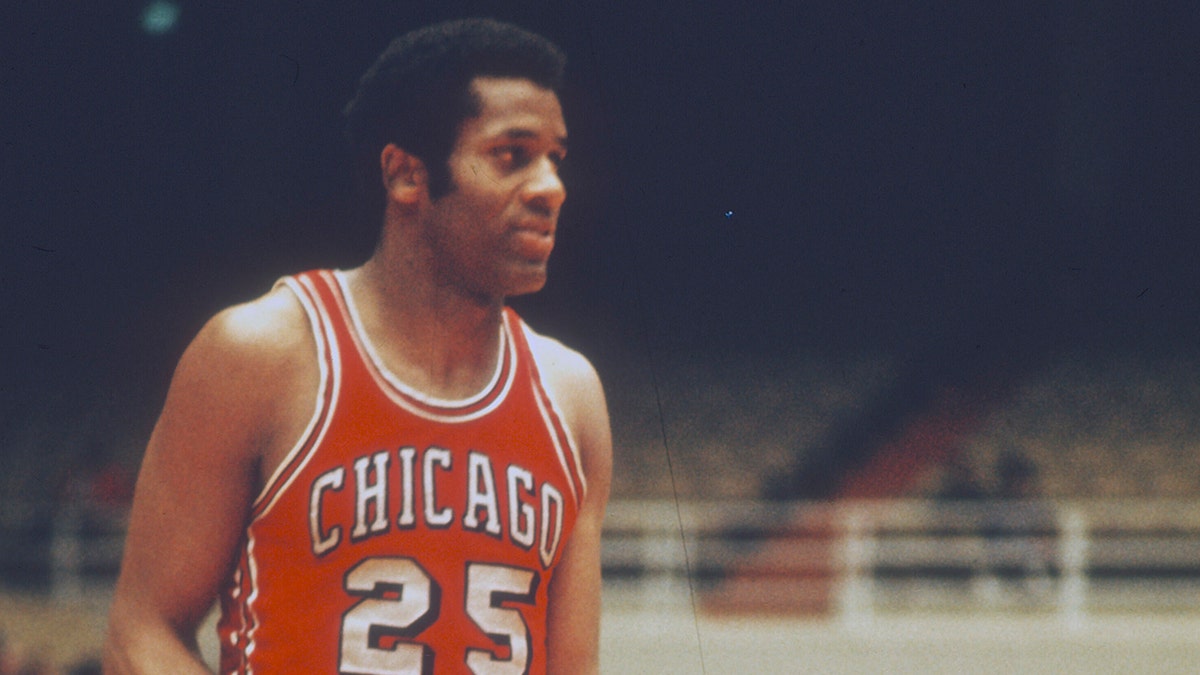
Both Walker’s winning and individual peak were extremely impressive. His winning peak was in Philadelphia, when he was one of the leading players on a championship team, and he stepped up his play in the Finals to secure the ring. His winning wasn’t confined to that year, however, as Walker never missed the playoffs once in his career, either with Philly or Chicago.
For his individual peak, I would lean his Chicago years. Although he was incredible in Philadelphia, he was never the leading player on a team, and his stats and accolades were slightly less impressive than Chicago. Specifically, I would say his most impressive years were from 1970 to 1972. During those three seasons, Walker made two All Star teams, consistently averaged over 20, and rebounded solidly as well.
Walker never had to worry about injuries, which means his peak was fairly uninterrupted. He never played less than 76 games in a season, and was always available, allowing him to maintain this level of play for years on end without much interruption.
Peak

“Chet the Jet” was certainly an appropriate nickname for Chet Walker. He was great at running the open floor, and he was an extremely solid athlete. Not only that, but he knocked down difficult shots consistently, making him a serious scoring threat even when faced with impressive defense. Despite not having a three point line his whole career, Chet shot from distance consistently. All of these combined to make an extremely versatile and intimidating scoring threat, which can be seen by his career scoring average being over 20 points per game.
Walker was also a solid rebounder, averaging 7.1 on his career, helped by a lengthy and athletic build. As a playmaker, he loved to run the fast break in transition, and although he was a score-first player, he got some assists in transition.
Defensively, it’s difficult to get a full measure of his impact, due to there not being tracked defensive stats for most of his career, but he wasn’t a bad defender, normally considered as an average defensive player. His offense was certainly more prominent.
All in all, it was difficult to think of a good player comparison for Walker. A score first, durable wing, who loved to run in transition, is a difficult build to match. My best comparison is James Worthy, another wing who loved to run in transition, especially due to his role on the fast paced Showtime Lakers.
So, Why Isn’t He Remembered?
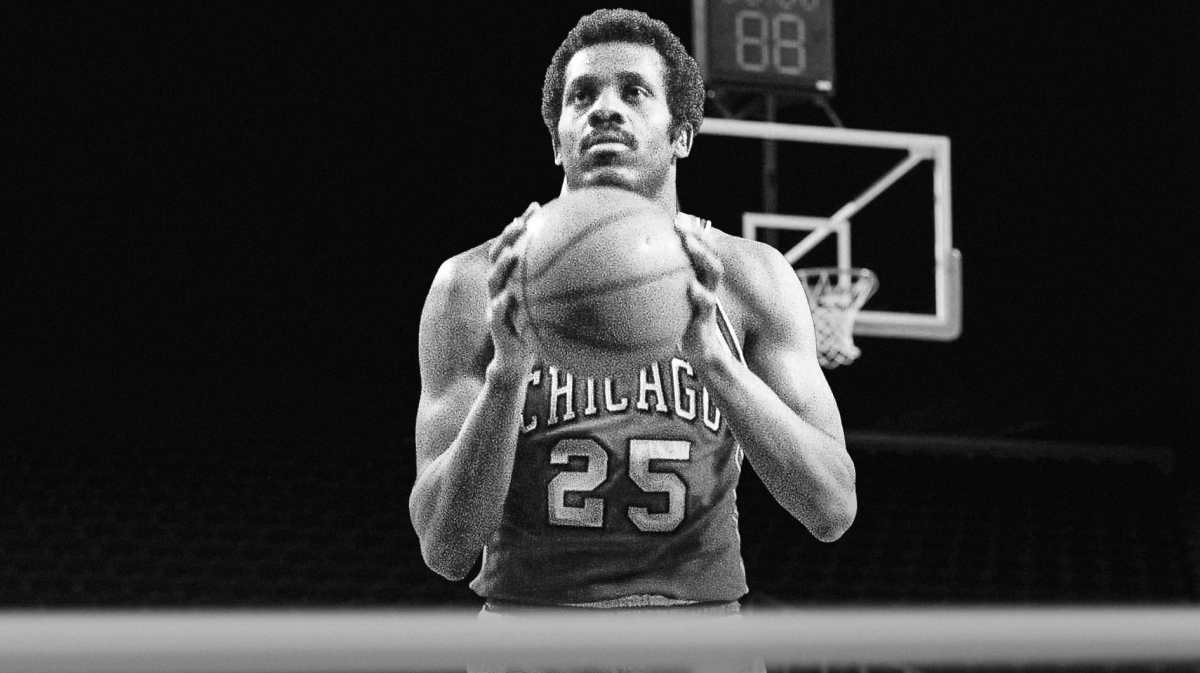
Sadly, Chet’s era of basketball has been neglected by much of the current media. Whether you prefer it or not, a whole era of basketball should not be forgotten, nor disrespected. Besides the biggest names like Kareem, Wilt, Bill, Oscar, Jerry, etc. many guys fly under the radar. Even a hall of famer like Walker can be left behind by history. With his sad passing, Walker’s name has become more known, but many still don’t know the extent of his talent. Hopefully he can become more well known, and players of his era and caliber can start getting the respect they deserve.
 Title Runners